
“AI is Not the Destination… It’s a Tool”: Dr. Stephanie Lahr on Building Human-Centered Care in a Digital World
Imagine this: A clinician finishes their day having spent more time with patients than with screens. Follow-ups are clear, questions are answered before anxiety sets in, and patients feel guided—not shuffled—through their care journey. The technology supporting all of this fades into the background, doing its job quietly and effectively.
That’s the version of healthcare many leaders are working toward—but it’s not the reality yet.
Healthcare is at a crossroads. In the midst of burnout, budget cuts, and a flood of digital tools that promise more than they deliver, leaders are being forced to rethink how care is delivered—and who it truly serves. The question is no longer whether we need change, but how to cut through the noise and focus on what actually improves care.
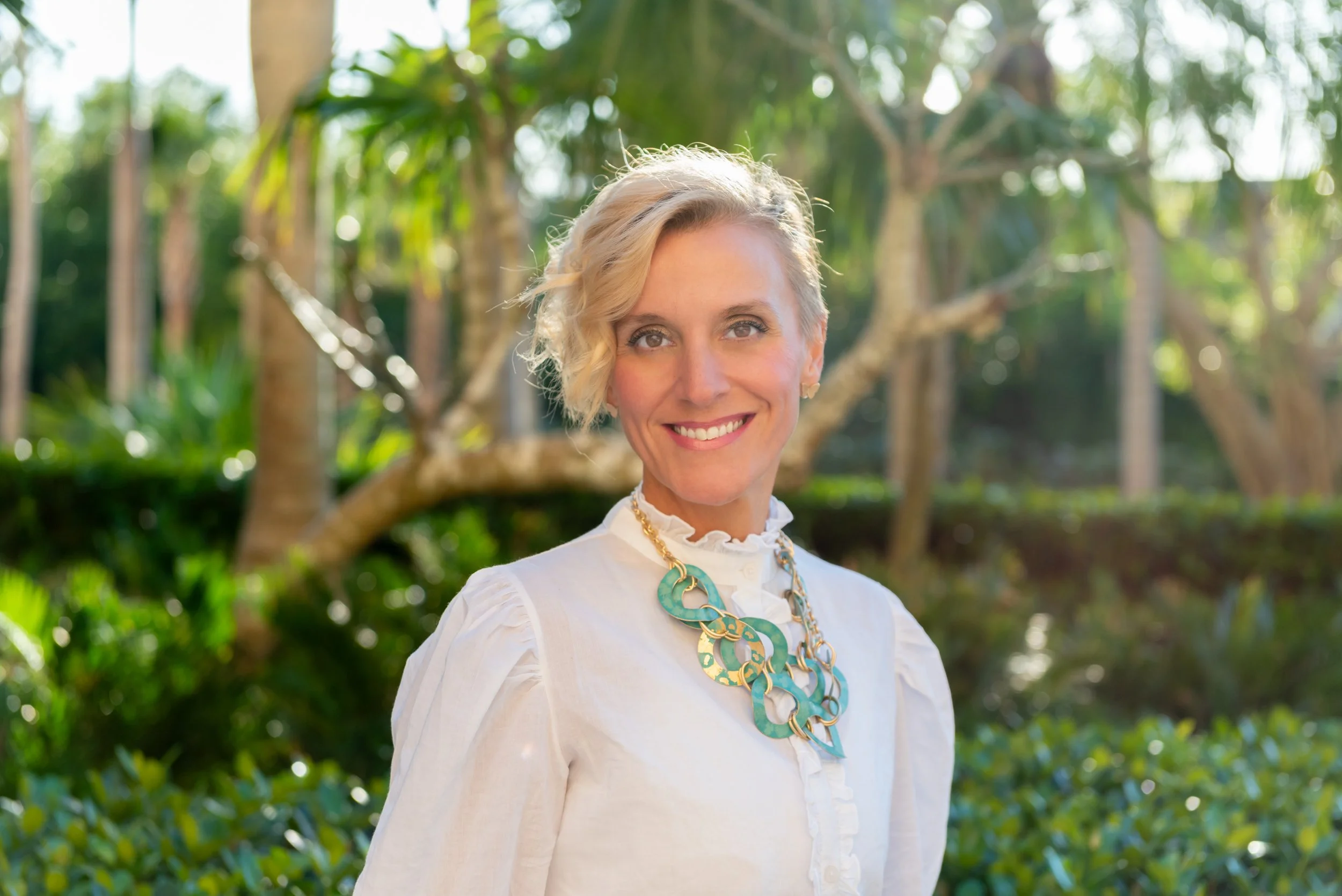
That’s where Dr. Stephanie Lahr comes in. A board-certified internal medicine physician and informaticist, she’s served as both CIO and CMO at Monument Health and brings a rare blend of clinical insight and digital strategy to the table, now serving as an advisor to several HealthX companies. She has spent her career navigating the messy middle between innovation and implementation—and helping others do the same.
In the interview below, she shares her perspective on what AI can do today (and what’s still coming), the risk of treating technology as a destination instead of a tool, and the signals she sees that make now the right moment to invest in intelligent patient engagement. If you’re wondering where the industry is headed—and how we can build a more connected, human-centered healthcare experience—read on.
With your background in both internal medicine and informatics, how do you think AI can most meaningfully support clinicians and patients today?
SL: The key word in that question is “today.” There are things AI can effectively help with now—and others that will become possible in the future. Right now, AI is evolving quickly but still has a long way to go. What we do have today is a real opportunity to reduce administrative burden. That includes documentation, coding, billing, and task management—things that pull clinicians away from direct patient care.
AI can help take the weight off those nonclinical responsibilities. Whether it’s basic machine learning or more advanced agentic capabilities, we can start to reassign that administrative work to digital tools and free up humans to focus on what they do best.
We’re also seeing exciting early signs of AI supporting clinical decision-making. For example, tools like OpenEvidence are organizing vast amounts of medical literature and making it easier for clinicians to access evidence-based guidance at the point of care. That’s only going to become more important as the sheer volume of information clinicians are expected to keep in their heads becomes unmanageable.
And when we talk about supporting clinicians, that includes supporting their patients. AI has the potential to help patients find the right care in the right place at the right time—whether that’s answering questions about symptoms, guiding them to the appropriate setting, or helping them navigate their options more effectively. That kind of assistance lifts the burden on care teams too.
What excites you most about the future of patient engagement—and what are we still getting wrong as an industry?
SL: We still have a tendency to treat each new tool as something separate from care—like it’s its own thing. We did that with telehealth in the beginning, and now we’re doing it with AI. But AI isn’t the destination. It’s not a replacement for good medicine. It’s a tool—one we can use to solve real problems and better support clinicians and patients alike.
What excites me is the potential for AI to become integrated into care in a way that actually enhances the human experience. When we stop chasing the shiny object and start designing around real needs, that’s when things get interesting.
How are the expectations of new clinicians different from those of the past decade, especially in terms of AI?
SL: There are definitely generational differences in how clinicians approach technology. Those entering practice now have grown up with tech—it’s deeply embedded in how they live their lives, from booking travel to writing papers. Naturally, they expect similar tools to be available at work. That’s going to push the industry in a good way.
At the same time, experienced clinicians have a depth of knowledge that’s incredibly powerful when paired with the right AI tools. The key is making sure we don’t lose sight of that foundational clinical expertise. AI should be an enhancement—not a crutch.
We have to design these systems in a way that strengthens clinical decision-making, not replaces it. That balance will be critical in training the next generation of healthcare providers.
You’ve been a healthcare CIO and CMO. What gaps have you seen in the patient experience, and how can digital engagement help close them?
SL: Working in rural healthcare, one of the biggest gaps I’ve seen is around access—both to care and to trustworthy information. When patients can’t reach us directly, they turn to Google. And that’s not where we want them getting their answers.
We have a real opportunity to meet patients where they are—24/7—with digital tools that are safe, personalized, and built with empathy. Think about agentic AI that can communicate in a patient’s preferred language or reflect their cultural background. That’s the kind of personalization that builds trust.
We’re not quite there yet, but it’s coming. And it’s going to be powerful.
From your perspective, what will it take for healthcare organizations to move beyond point solutions and deliver connected, human-centered care?
SL: It’s not that health systems don’t want to take a holistic approach—it’s just hard. Service lines have different needs, different budgets, and different leadership structures. That creates silos.
But we’re starting to see more organizations elevate digital strategy to the executive level, and that’s essential. We need CEOs and senior leaders thinking about comprehensive platforms that support everything from chronic care management to urgent scheduling needs.
And we need to move beyond pilot mode. Healthcare is great at testing things in small pockets. The real challenge is scaling what works across the entire organization.
What signals tell you this is the moment for intelligent patient engagement?
SL: The biggest one? We don’t have enough people. We’re being asked to provide more access, more personalization, and better outcomes—with fewer resources. That’s not sustainable unless we start using technology in smarter ways.
Patients already expect this. They’re using AI to plan trips and manage finances—why wouldn’t they expect it in healthcare too?
To me, the equation only works if we lean into advanced technologies. There’s just no other way to scale high-touch, patient-centered care in a financially viable way.
Where do you see the biggest opportunities for transformation in the next two to three years?
SL: I think we’re going to start seeing these tools come together in a more seamless way. Right now, the patient journey can feel really fragmented. You use one tool to get information, another to schedule an appointment, and a different one to follow up after a visit.
But what if it all felt like one continuous, supportive experience? That’s the opportunity. It’s not necessarily about one company doing everything—it’s about building platforms that integrate well and deliver a smoother, more human experience end to end.
Connect with Stephanie on LinkedIn.
Note: This interview was lightly edited for readability.